
Senegal: Pain and Purpose (Part 1)
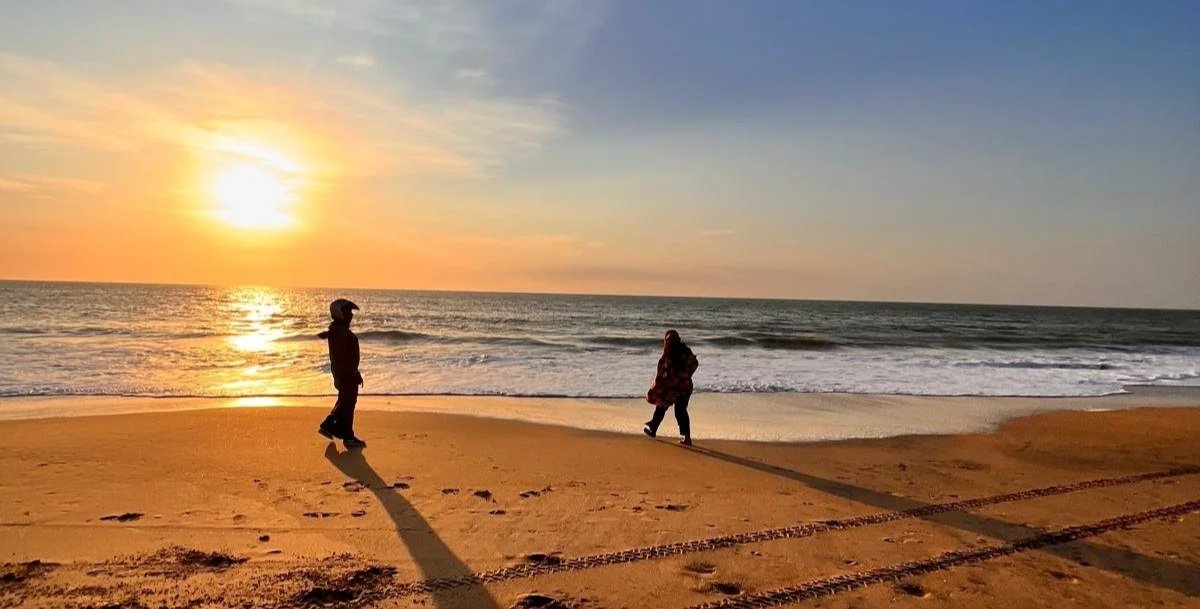
Barefoot on a beach in Dakar
My visit to Dakar, Senegal wasn’t just a vacation, it was a homecoming. It was my first time stepping foot on West African soil –my beloved mother’s motherland. When my Senegambian sister called me out of the blue one day suggesting the trip, I didn’t need a pitch. I needed a suitcase! “Girl, say less,” was my response.
Over the course of 10 days in Dakar I gained so much:
I met wonderful fellow travelers;
I connected to my West African roots;
I faced my cognitive dissonance head-on while visiting a painful memorial of the transatlantic slave trade;
I found a renewed sense of purpose and motivation to succeed and lift others up;
I grew closer to my sister;
I gained another lifelong friend;
I found multiple opportunities to reflect deeply on the signs of Allah.
This was the kind of travel that truly allowed my heart to reason.
Wisdom upon Arrival: Alioune
The first person we met after walking out of the airport was our driver, Alioune. My sister had arranged a big fancy car to pick us up from the airport. But unbeknownst to us, the company was overbooked and called an independent driver (Alioune) to pick us up who had a nice, but pretty small car. Initially, my sister was a bit annoyed with the situation as we figured out how to get four suitcases, 2 carry-ons and 3 adults in the car. Still, I managed to get her to smile for our customary “crusty arrival picture”.
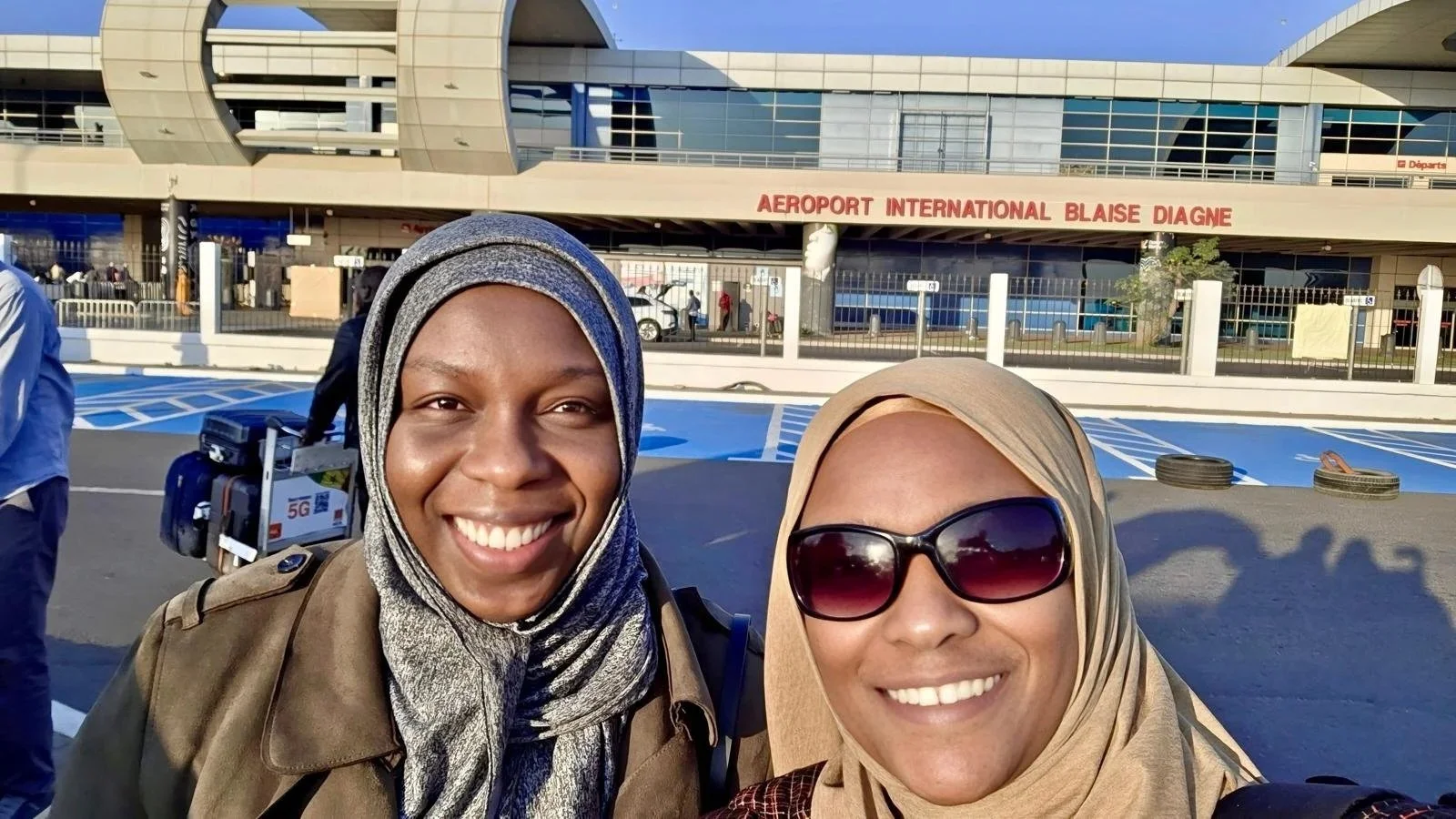
Arrival in Dakar. Not seen in this picture is Alioune and another man trying to stuff 4 suitcases in the car.
In that moment, neither of us knew what a treasure of a human had picked us up and how much Allah would bless our trip through him. Alioune (a graduate student in international relations) turned out to be a man of Islamic character, mashaAllah: honest, respectful, kind, patient with my sister’s antics, and a most accommodating host to guests visiting his country. He ended up taking us all over Dakar, showing us places we never would have found, and even helping me get the best price on a gift I needed to bring back with me. And he was forever carry our bags for us. Looking back, I can clearly see this was one of those times where Allah takes something you think you want so much and replaces it with what you think you don’t want, but is actually much better for you. We didn’t need a big car. We needed an honest and trustworthy human being. By the end of the trip, he had become part of the family.
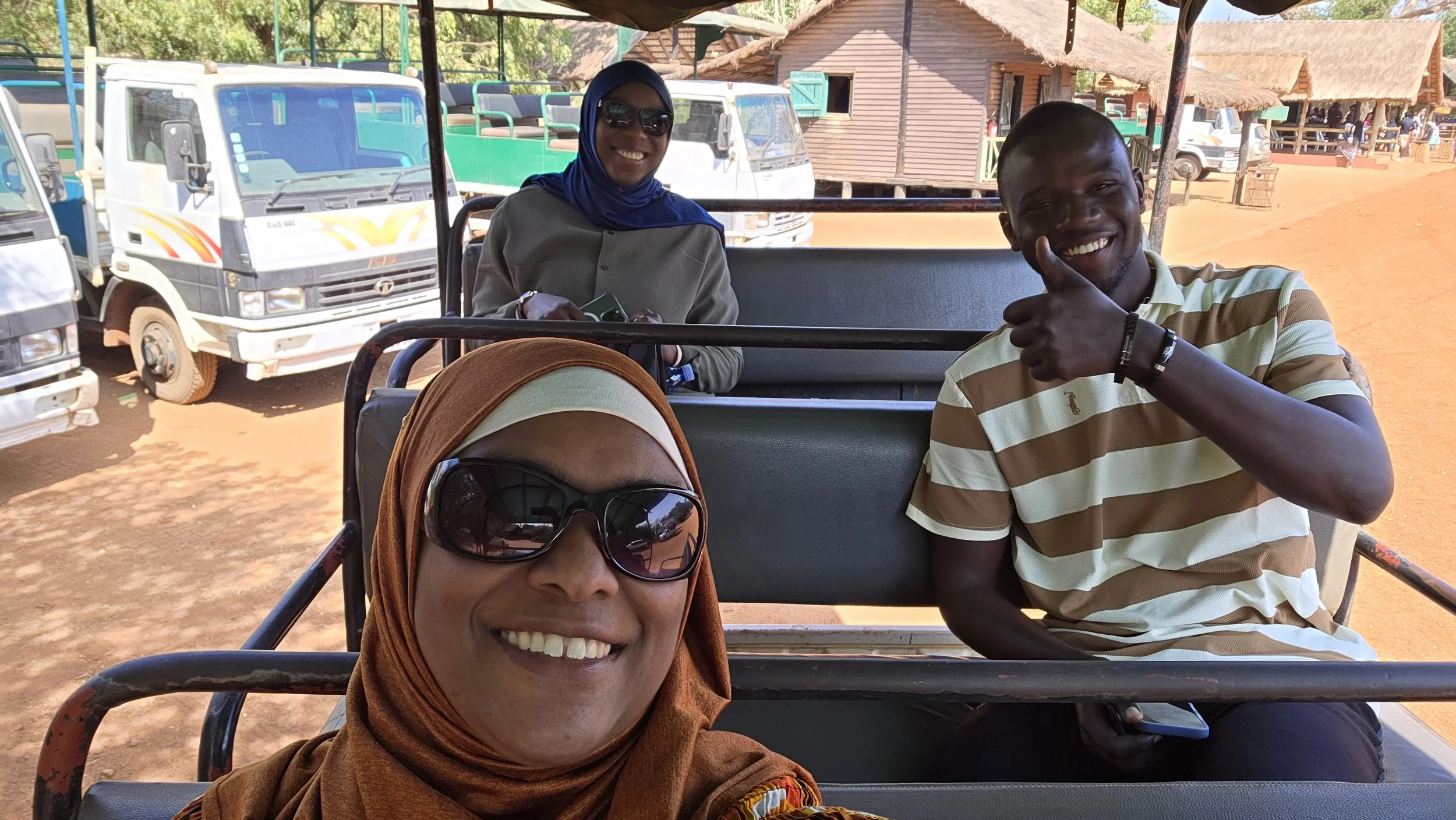
The A-Team: Alioune and the Sisters
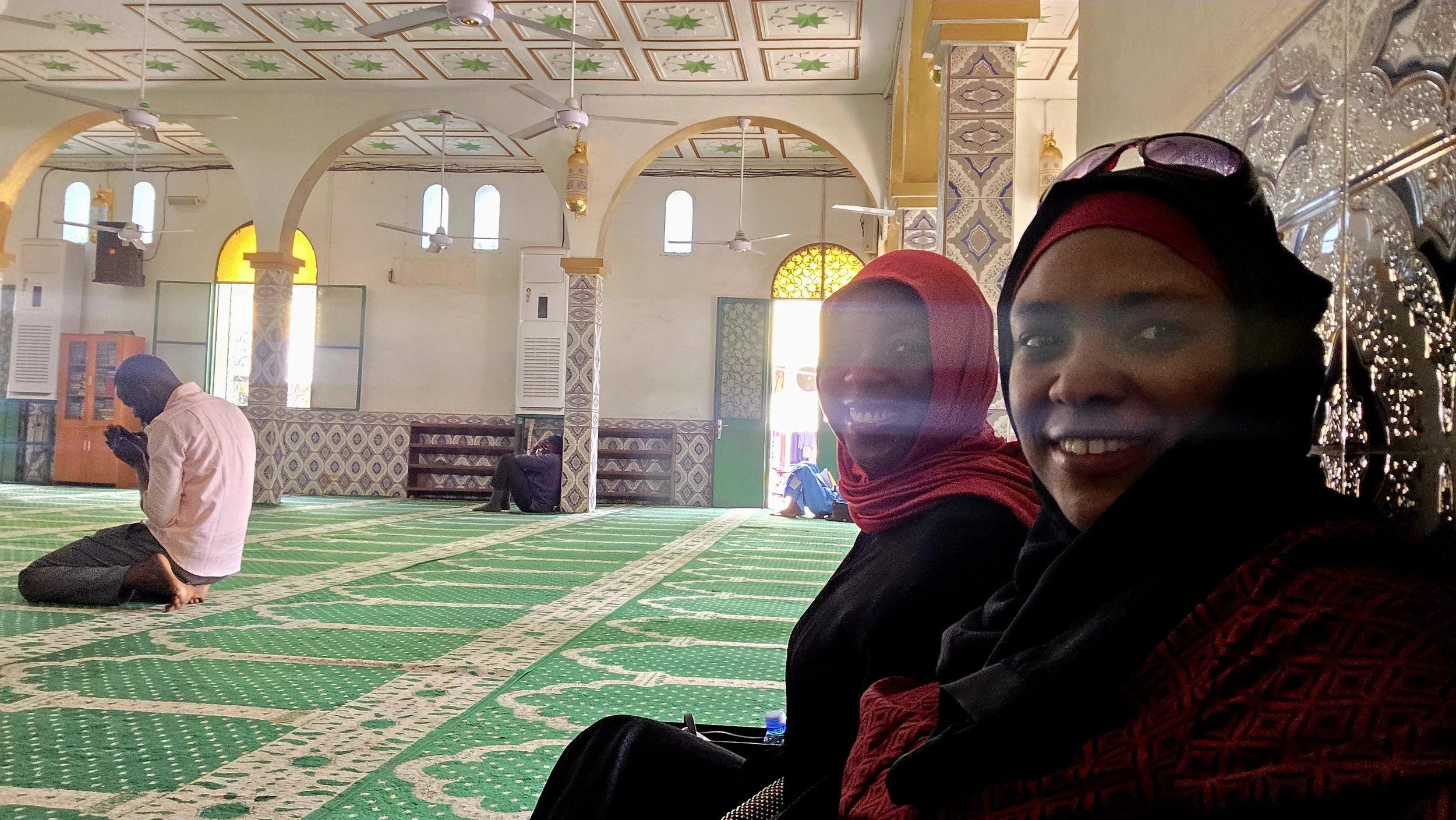
The A-Team: Alioune and the Sisters
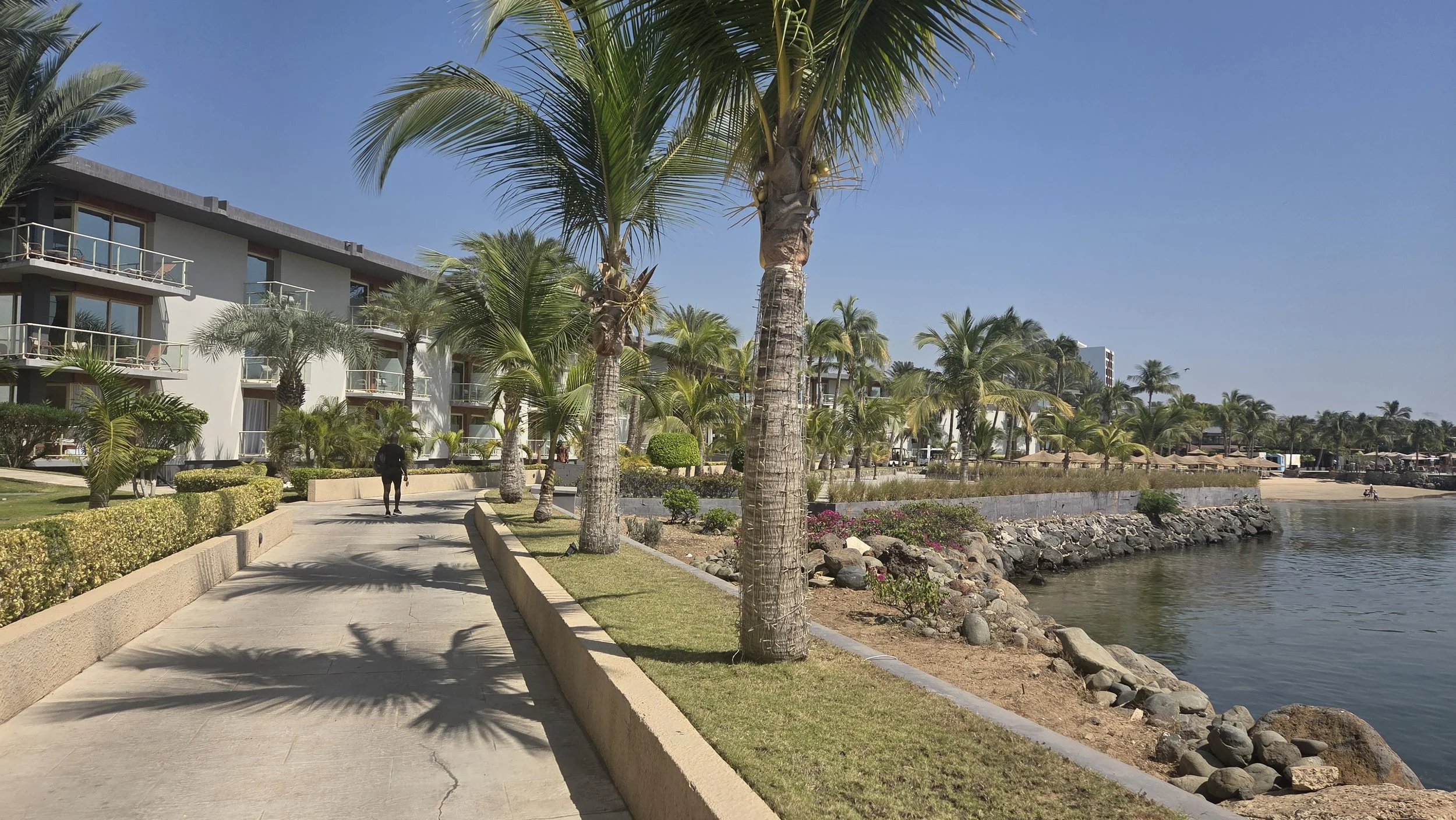
Terrou Bi Hotel: I loved this hotel. I used to get up every morning after Fajr and go sit on the beach and wait for Duha prayer.
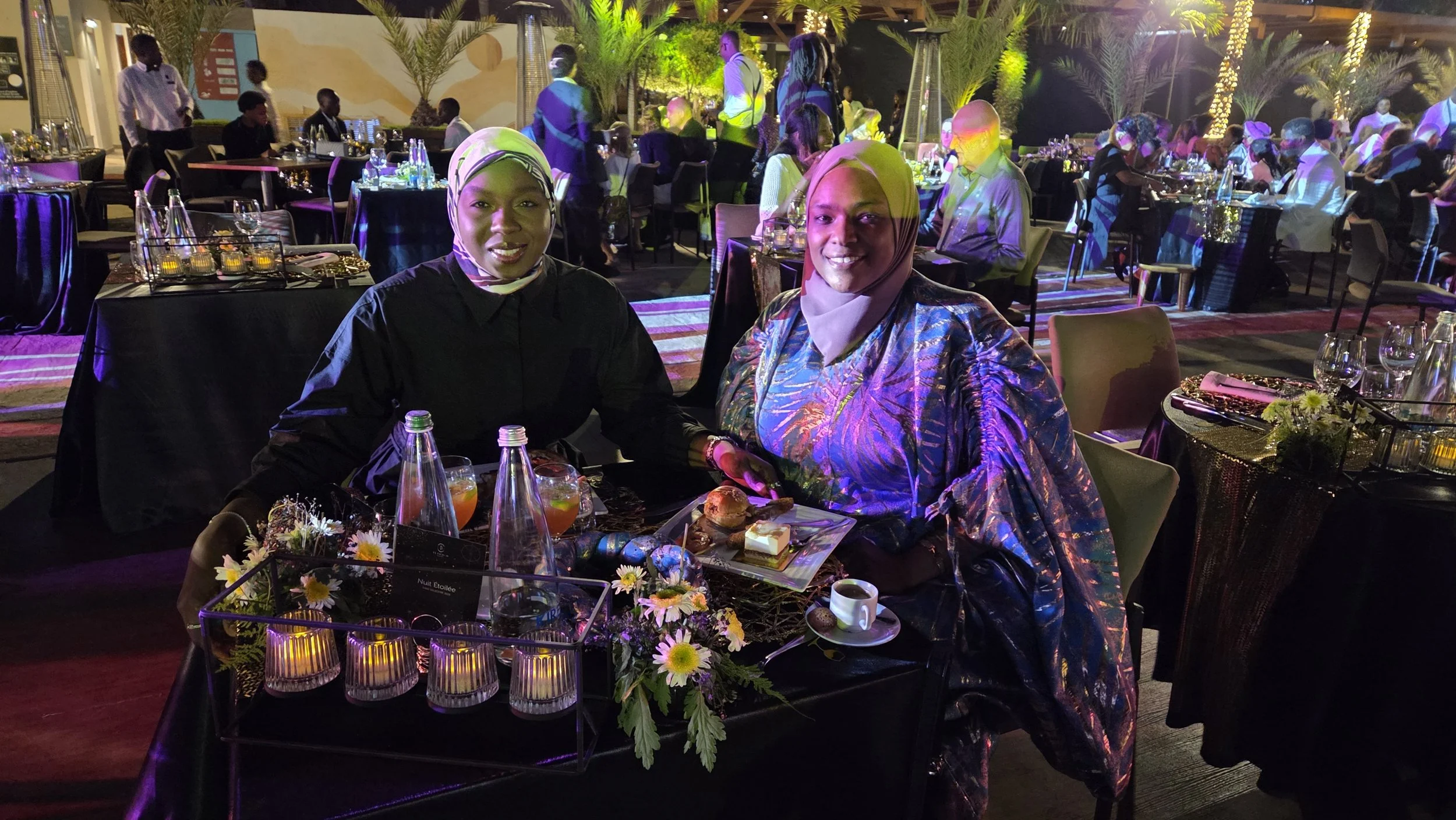
Terrou Bi Hotel: The hotel hosted a New Year’s Eve dinner. The food was amazing! (Even if I did only have burgers, fried chicken and dessert)
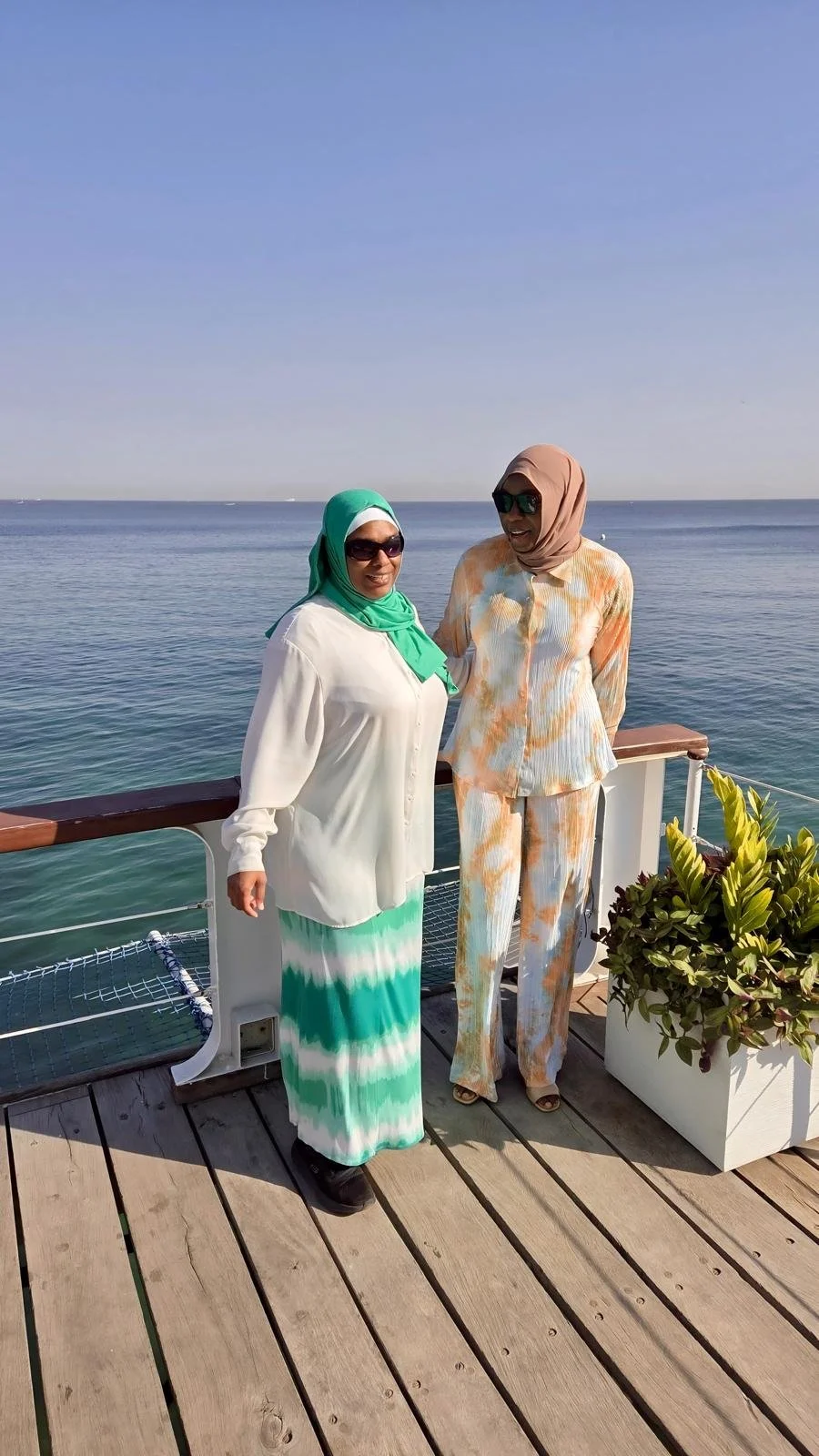
Restaurant Le Lagon 1: This is apparently one of the fanciest restaurants in Dakar. While I would eventually try shellfish, on this day I was safe and ordered chicken!
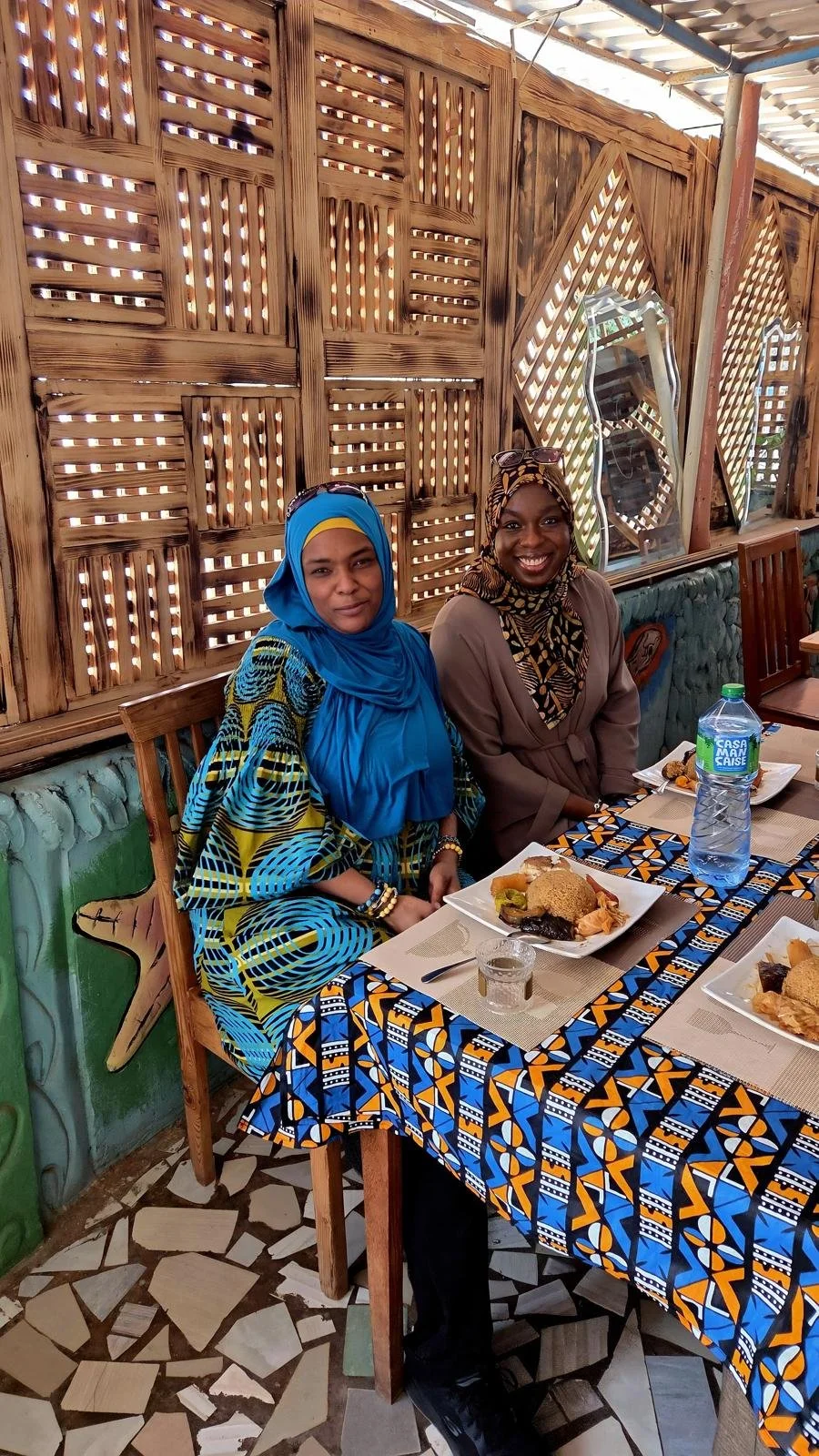
Local Restaurant: Fancy restaurants cater to foreigner taste buds. For authentic Thiéboudienne, we went where the locals go. This owner of this restaurant was the nicest Lebanese-Senegalese you ever met!
Goree Island: Fellow Travelers, connecting to my roots, and facing cognitive dissonance
After a wonderful 3 days relaxing at the Terrou Bi hotel and welcoming in the new year, my sister and I joined a tour group with 7 other American tourists (5 of whom where long-time college friends of over 50 years!). The tour was led by the one any only Pape Ndiaye! That man gave us the VVVIP treatment!
Our first group activity was a visit to Goree Island – a beautiful place with an ugly past. Goree Island sits off the coast of Senegal and carries a painful history of the transatlantic slave trade. It was operated as a “warehouse” for enslaved Africans being held while waiting for ships to take them across the Atlantic to be sold.
Although the island is currently populated by about 2000 or so residents, many of the structures on the island have been preserved – including the “house of slaves”. It was awful going through the slave quarters in the downstairs level of the house – seeing the tiny room where they held 15-20 adult African men almost 24 hours a day for months before being forced onto ships to America. The rooms of pain and suffering for young girls, women and small children. And then there was the infamous “Door of No Return” through which millions of enslaved Africans were boarded on to ships.
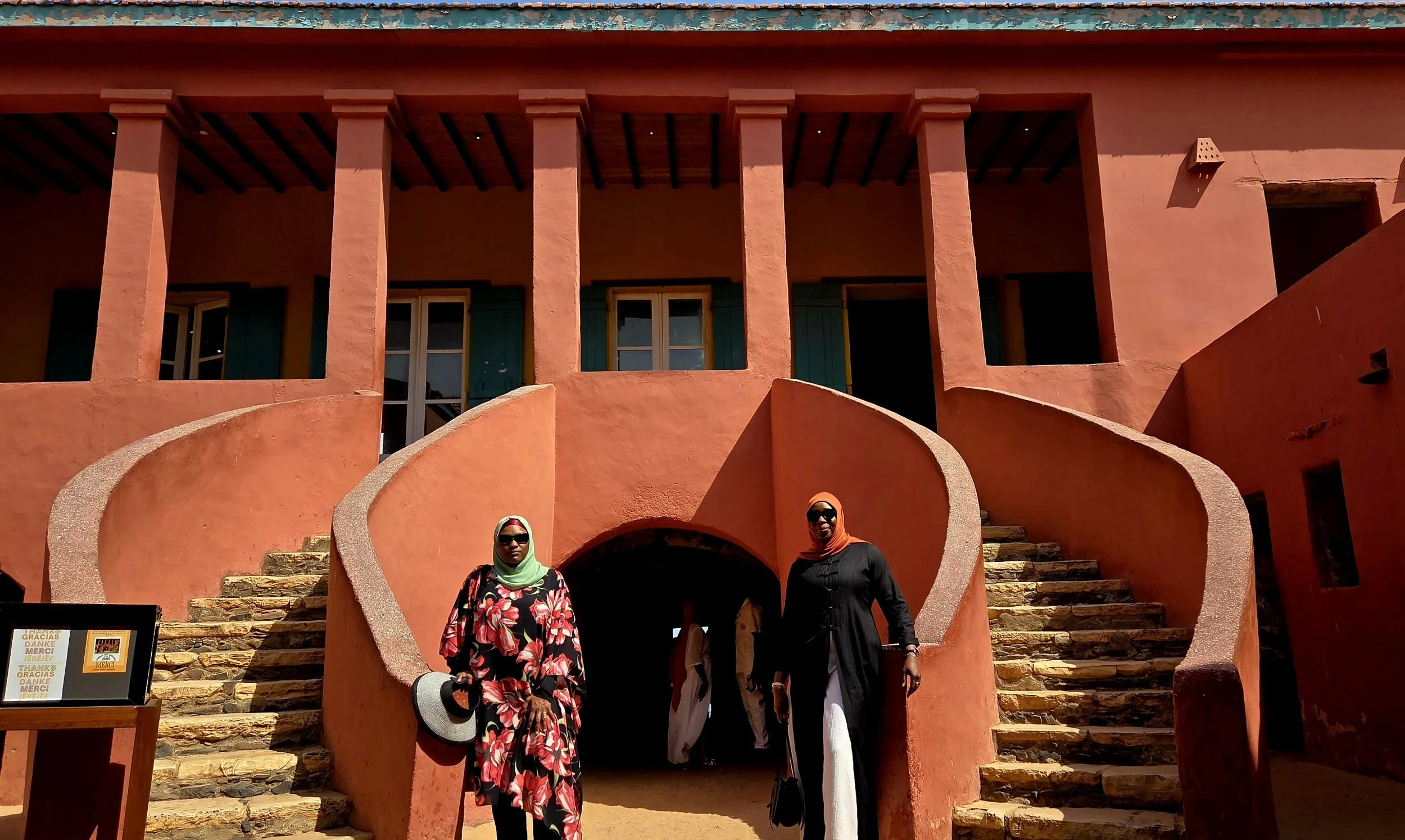
House of Slaves: Two sisters standing in the courtyard of the House of Slaves - one a descendent of those stolen and enslaved, the other a descendent of the African families whose relatives were stolen and taken to the Americas. Same family - different destinies.
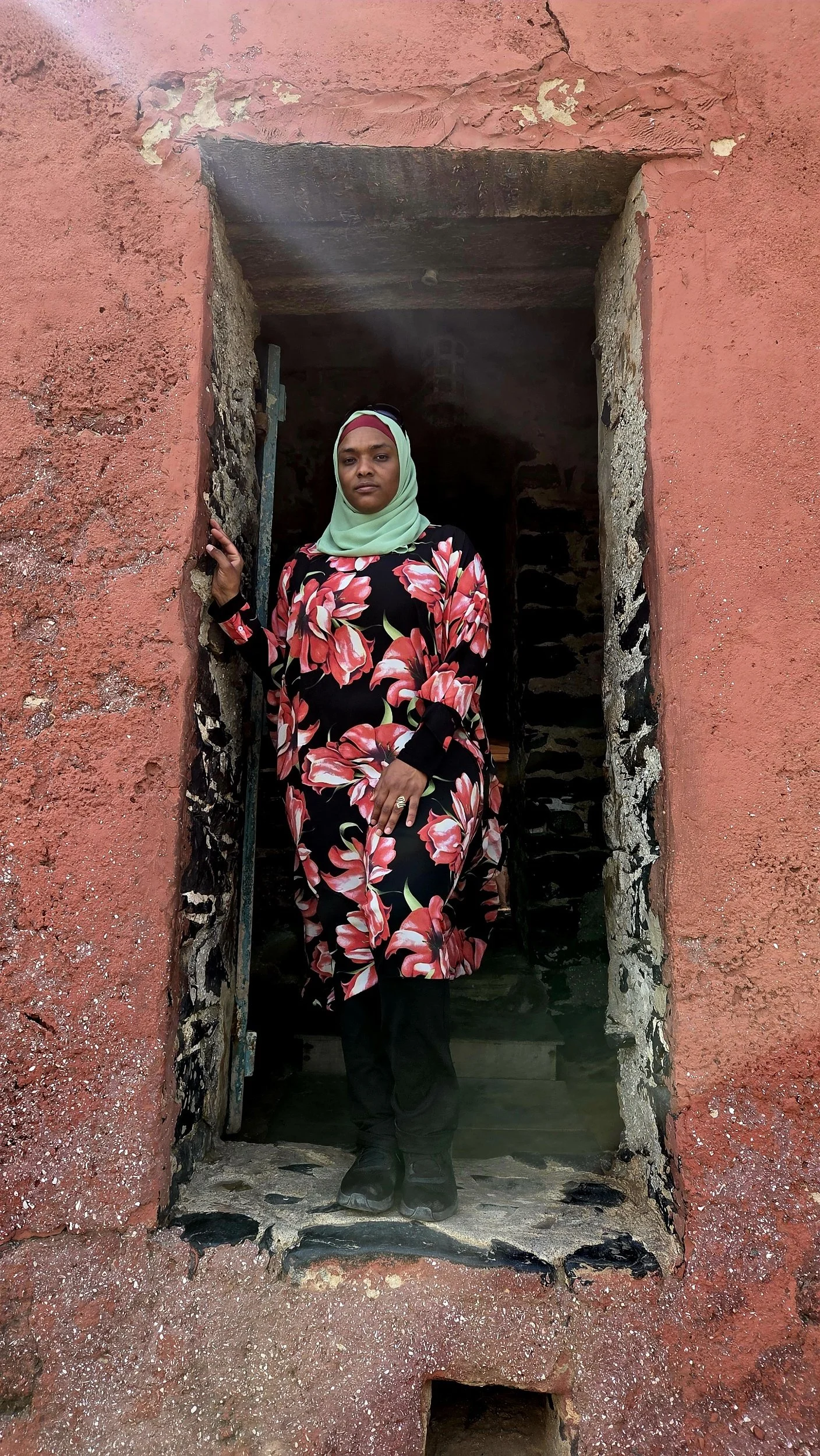
Door of No Return: Standing in the “Door of No Return” facing the ocean.
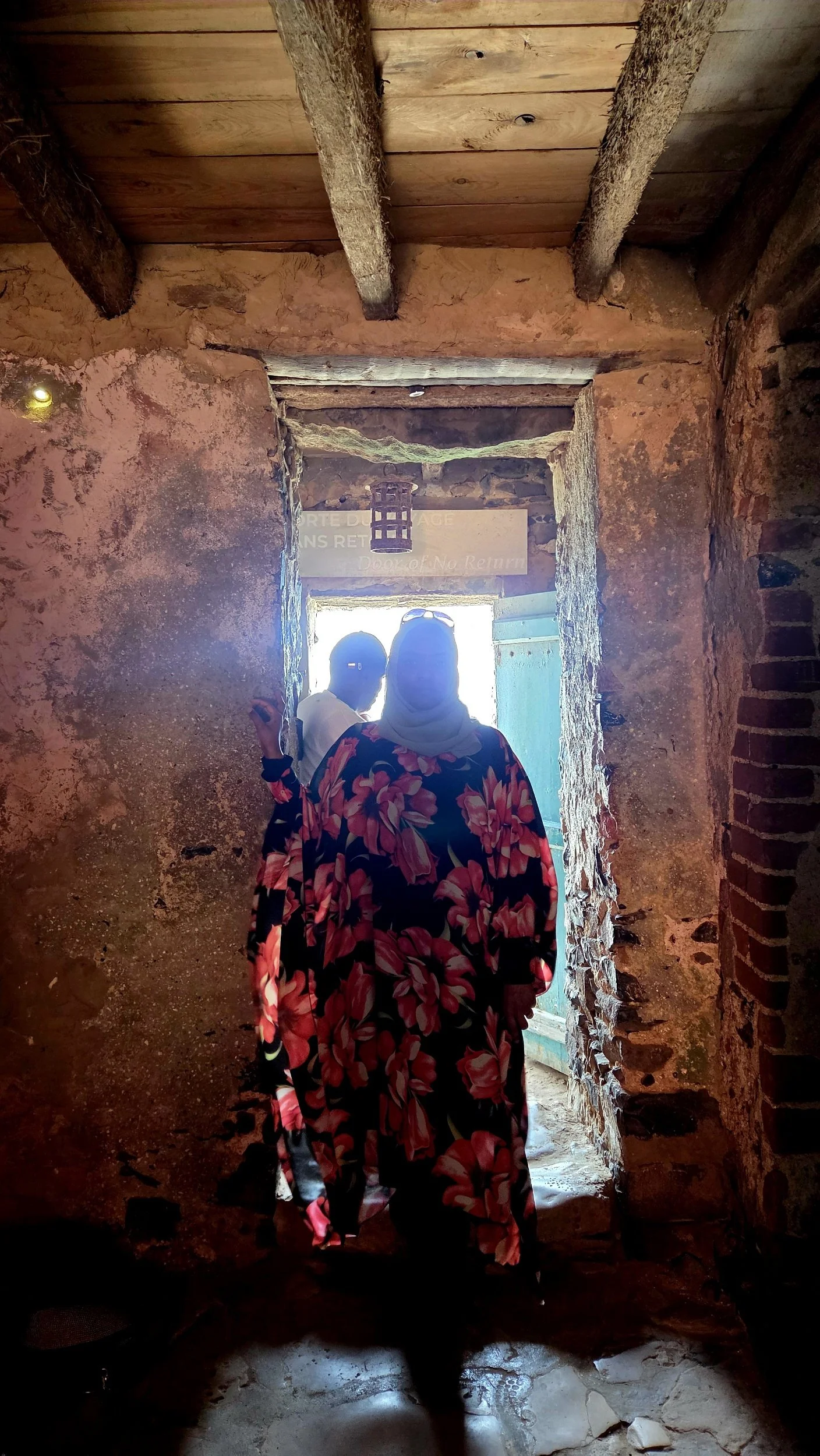
Door of No Return: Standing in front of the “Door of No Return” facing the house courtyard (cells to my sides).
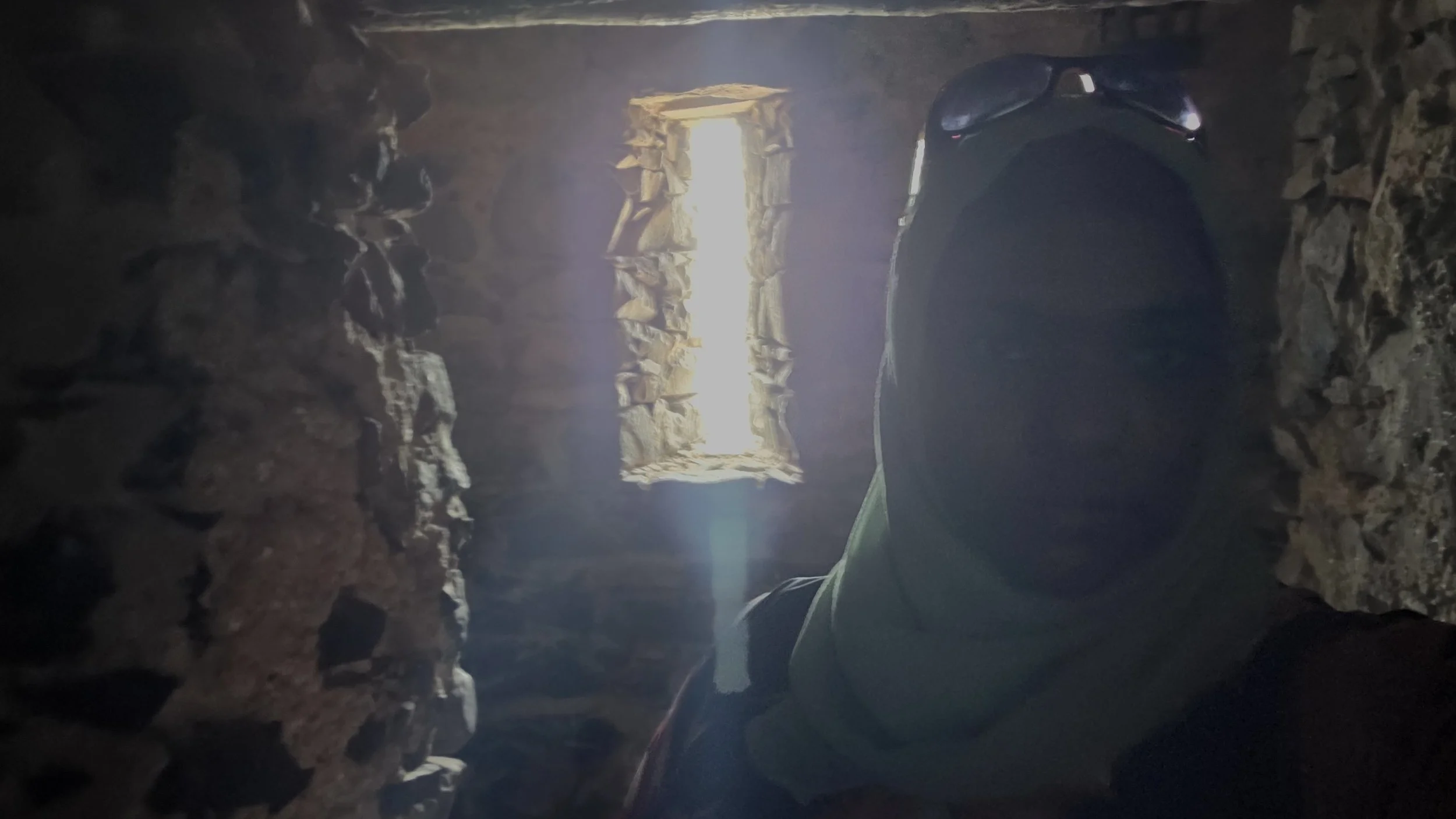
Holding Cell: Inside a holding cell with small slit for ventilation. I can’t imagine the suffering.
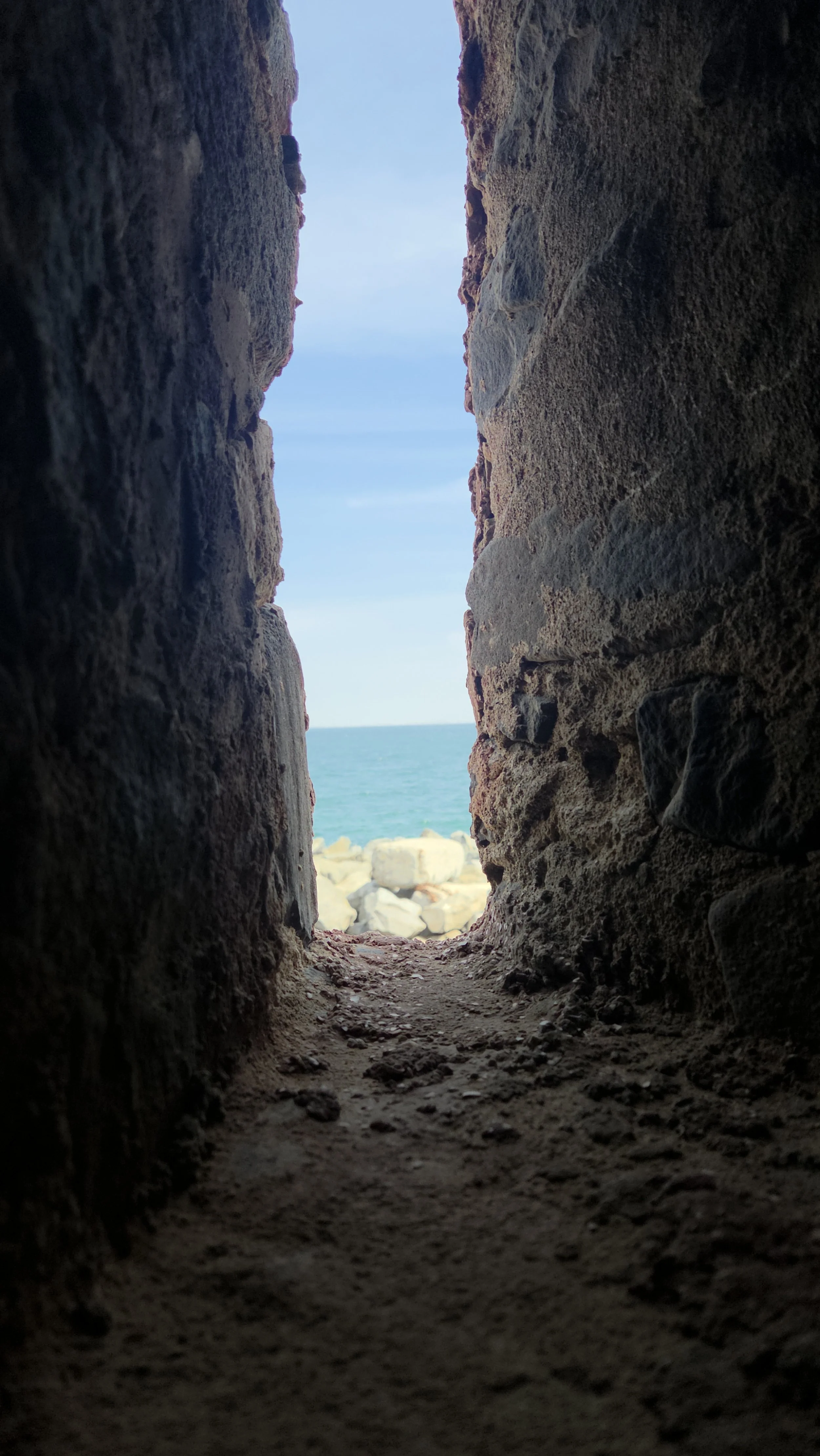
Close-up View of the Ventilation Slit: This slit was in the room adjacent to the door of no return. So it faces the Atlantic.
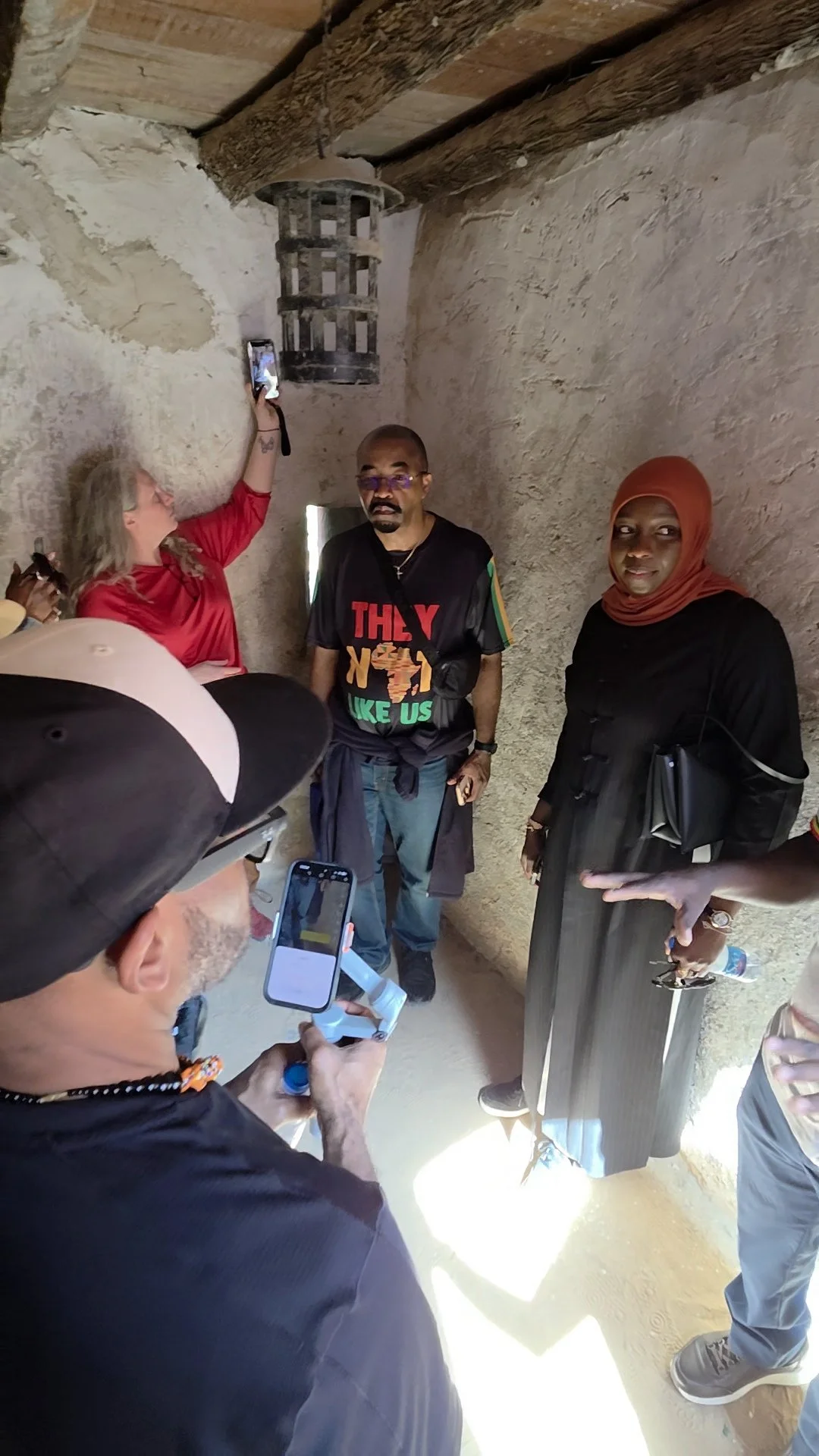
Holding Cell for Adult Males: This dungeon held 15-20 men nearly 24 hours a day. There were 9 of us in total in the room for this picture. I can’t even image double our number in that room with only that small slit on the wall for ventilation. The heat alone must have been unbearable.
I didn’t know what my face looked like while walking through the "house of slaves" until later when looking at pictures. At one point, O.J. (one of the ladies in our group) came over, hugged me, and said my face looked like I wanted to fight someone.
But honestly, I was thinking about how humans have the capacity to watch evil and be silent or complicit... especially if they benefit from the evil. Our ability to look away. The willful blindness.
Pape, our tour guide, asked, "How could they live with themselves upstairs knowing the suffering happening downstairs?" But we answer that question every day. We live "upstairs" while using smartphones and driving EVs powered by rare-earth minerals extracted through modern-day slave labor in African mines. To stand in a slave dungeon while holding a device made in a similar system is a brutal cognitive dissonance. Facing that reality was hard.
So yeah. I wanted to fight myself.
A 1791 quote from British abolitionist William Fox, urging a boycott of West Indian sugar to protest slavery, was displayed in the museum upstairs. It read:
“If we purchase the commodity, we participate in the crime…In every pound of sugar, we may be considered as consuming 2 ounces of flesh.”
Allah help us!
Finding the Goree Mosque
The tour did end on a positive note however. As we waited for the ferry to take us back to Dakar, I explored the Island solo looking for its mosque and got to experience firsthand, the legendary Senegalese “Teranga” (hospitality and openness to strangers). Without my Wolof-speaking sister, the language barrier was thick. Yet, one by one, strangers stepped in to guide me. Some even offered me their own rugs to pray on right where I stood, not realizing I specifically wanted to reach the mosque. But eventually, I found the 200 year old mosque at the edge of the island. While I had missed the congregational prayer, there were still a few worshippers there praying.
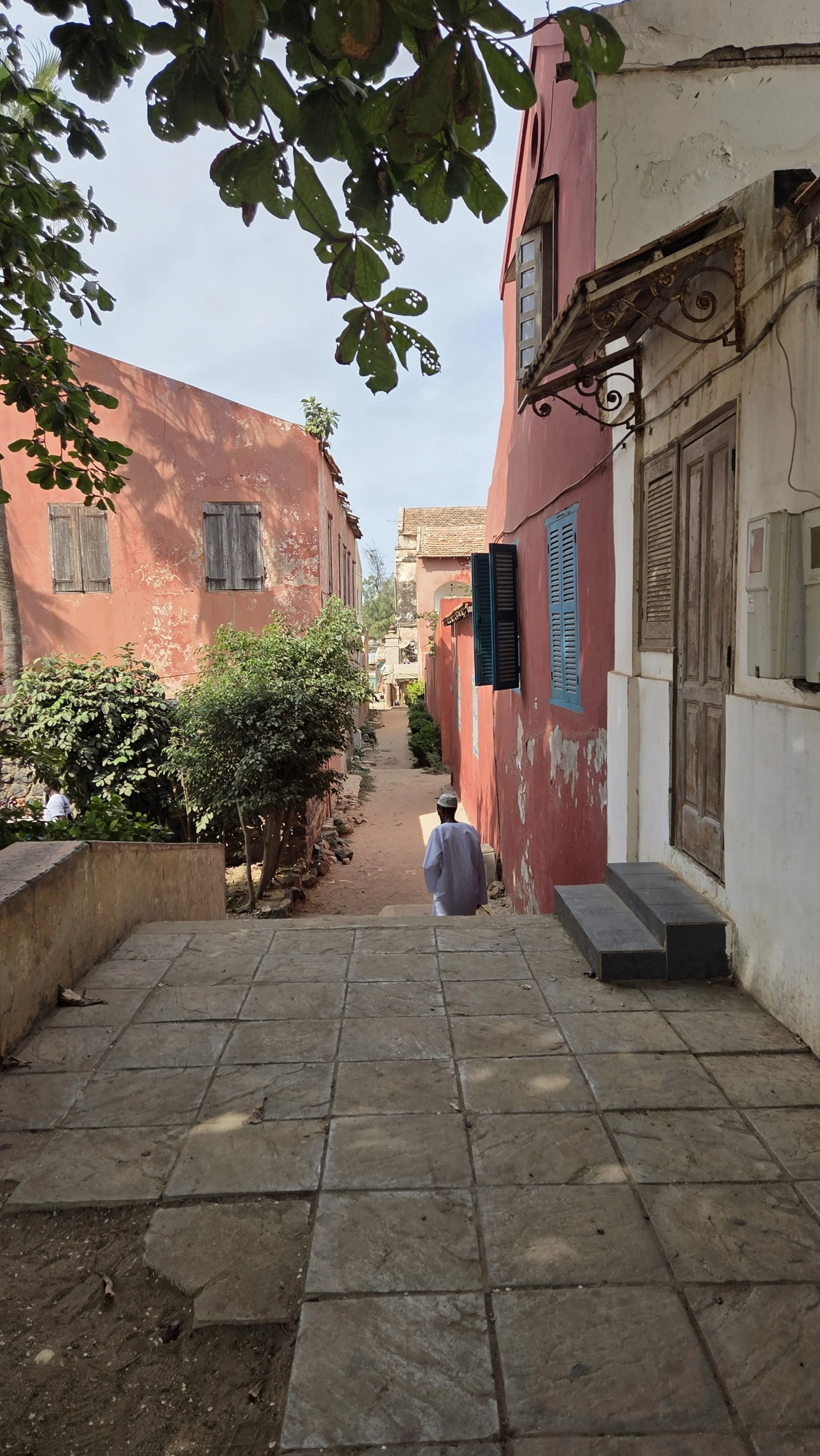
Scenes on the way to the Mosque

Scenes on the way to the Mosque
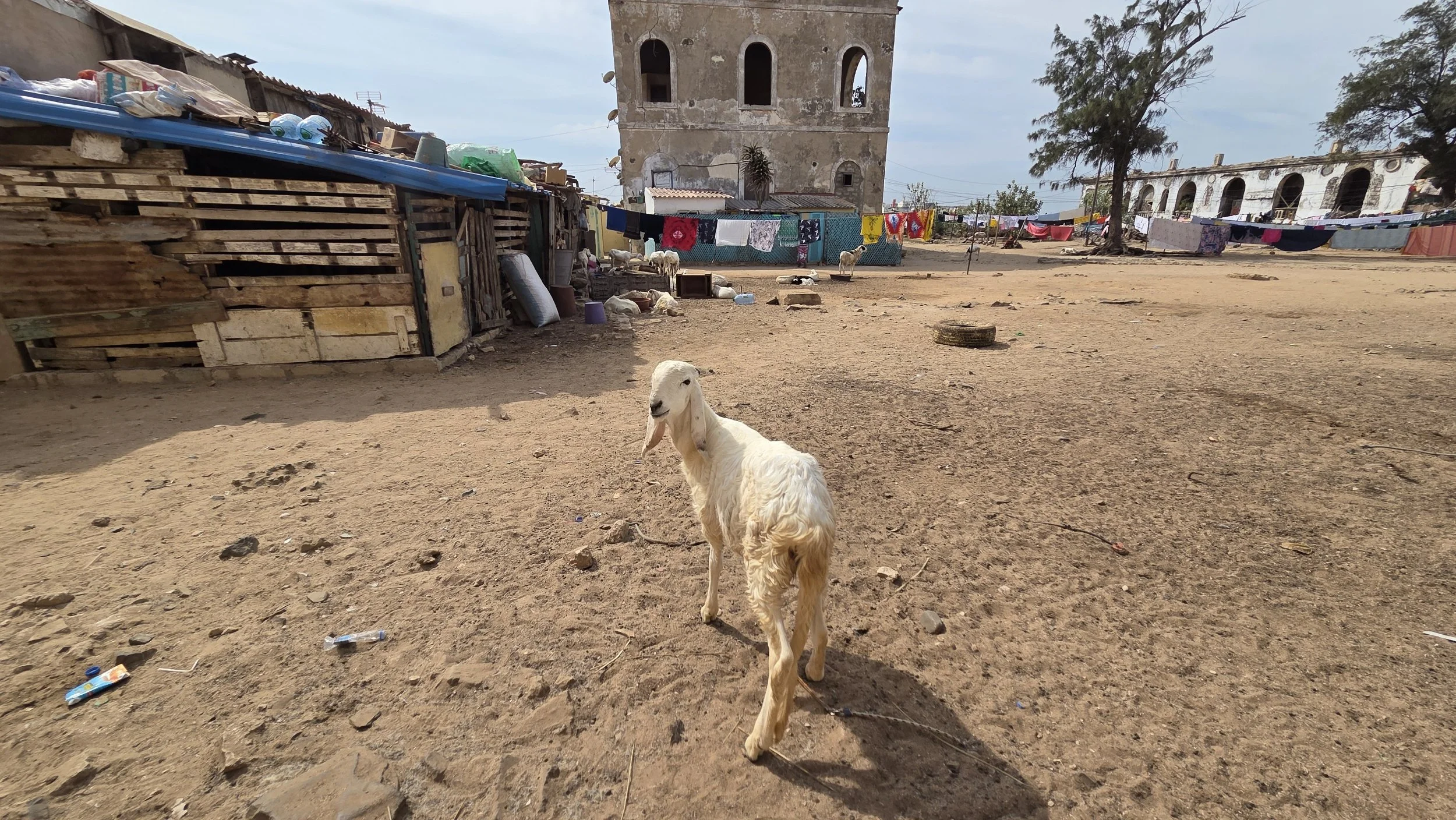
Scenes on the way to the Mosque
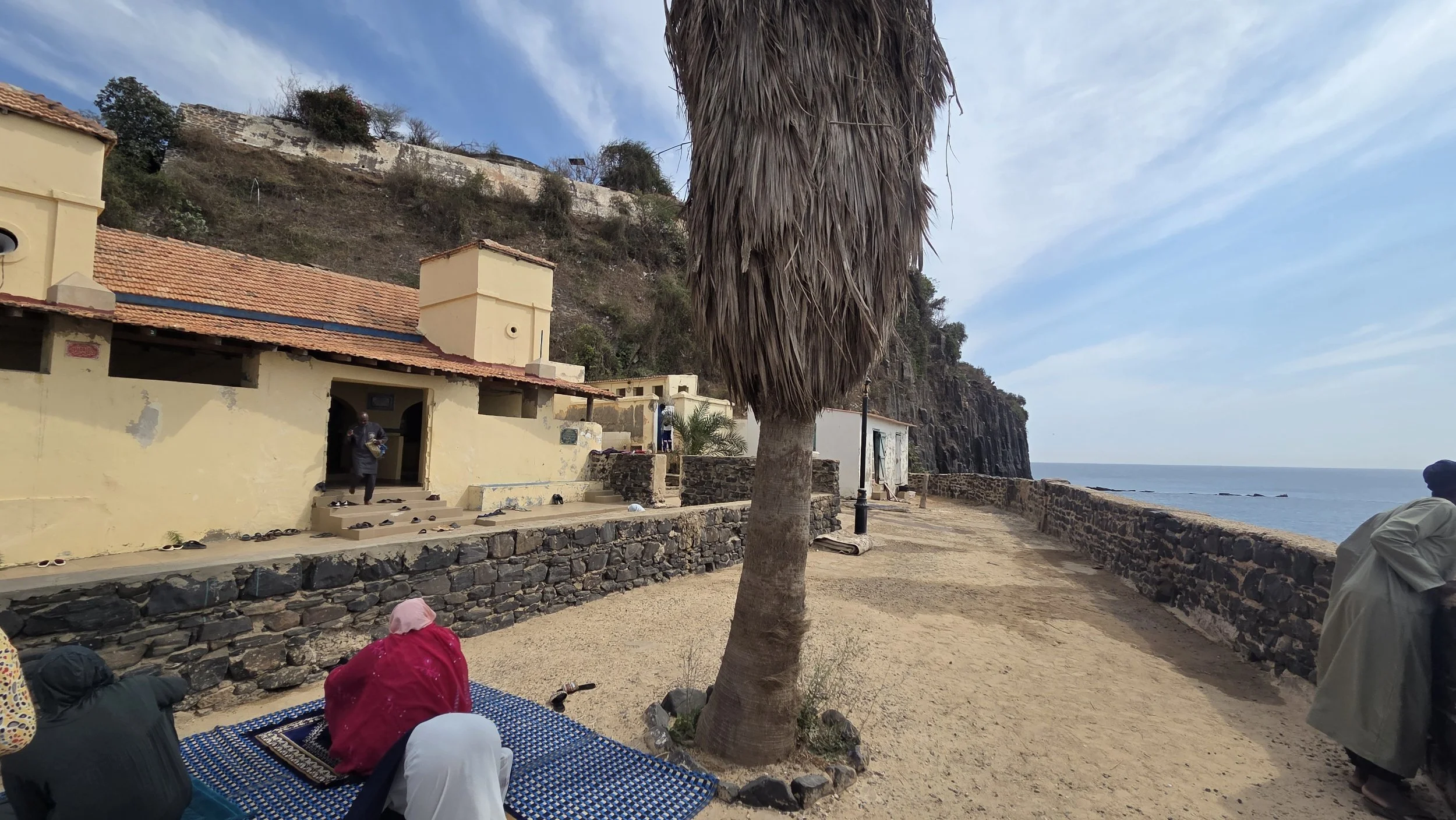
Goree Mosque
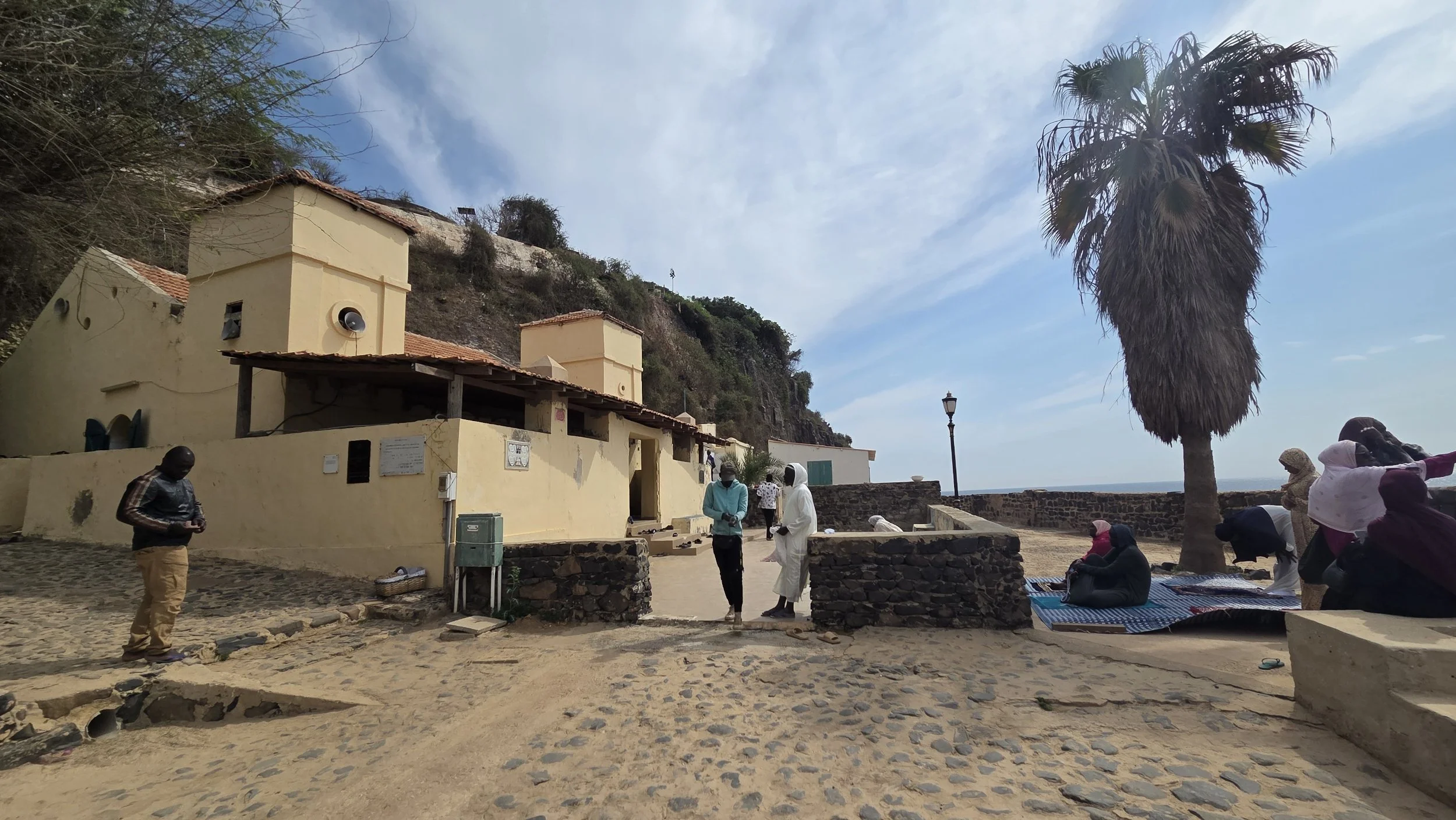
Goree Mosque: This humble mosque sits on the edge of the island. Its two small minarets stand in stark contrast to the tall and numerous minarets we would see on the many grand mosques in Dakar.
In doing some research afterwards, I discovered that Goree Mosque is woefully inadequate to accommodate the 1000 or so Muslims on the Island and in desperate need of repairs and proper sanitation facilities. I read that there have been requests for international funding and support from the Muslim world to help renovate and expand the mosque. InshaAllah, I would love to help. What an honor it would be to participate in that effort!
Dakar City Tour
Our group ended the day with a city tour of Dakar, including a bird’s eye view of the Divinity Mosque, and a walk up 200 steps to the African Renaissance Monument.
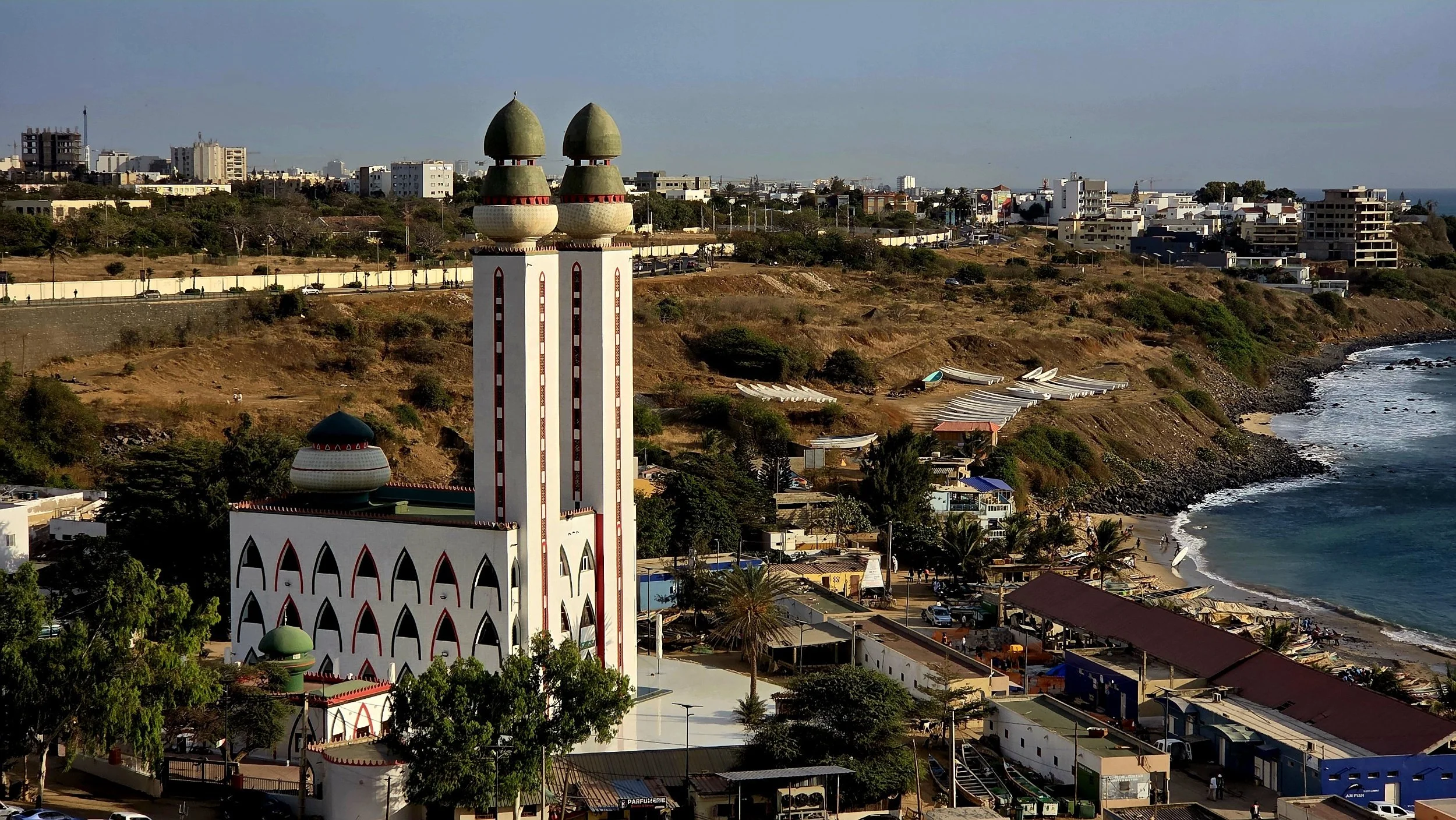
Mosque of the Divinity: This mosque has an interesting history. Its founder saw this mosque descend into this place from the sky in a dream. It took him 19 years to get permission to build and the community built it themselves without heavy machinery.
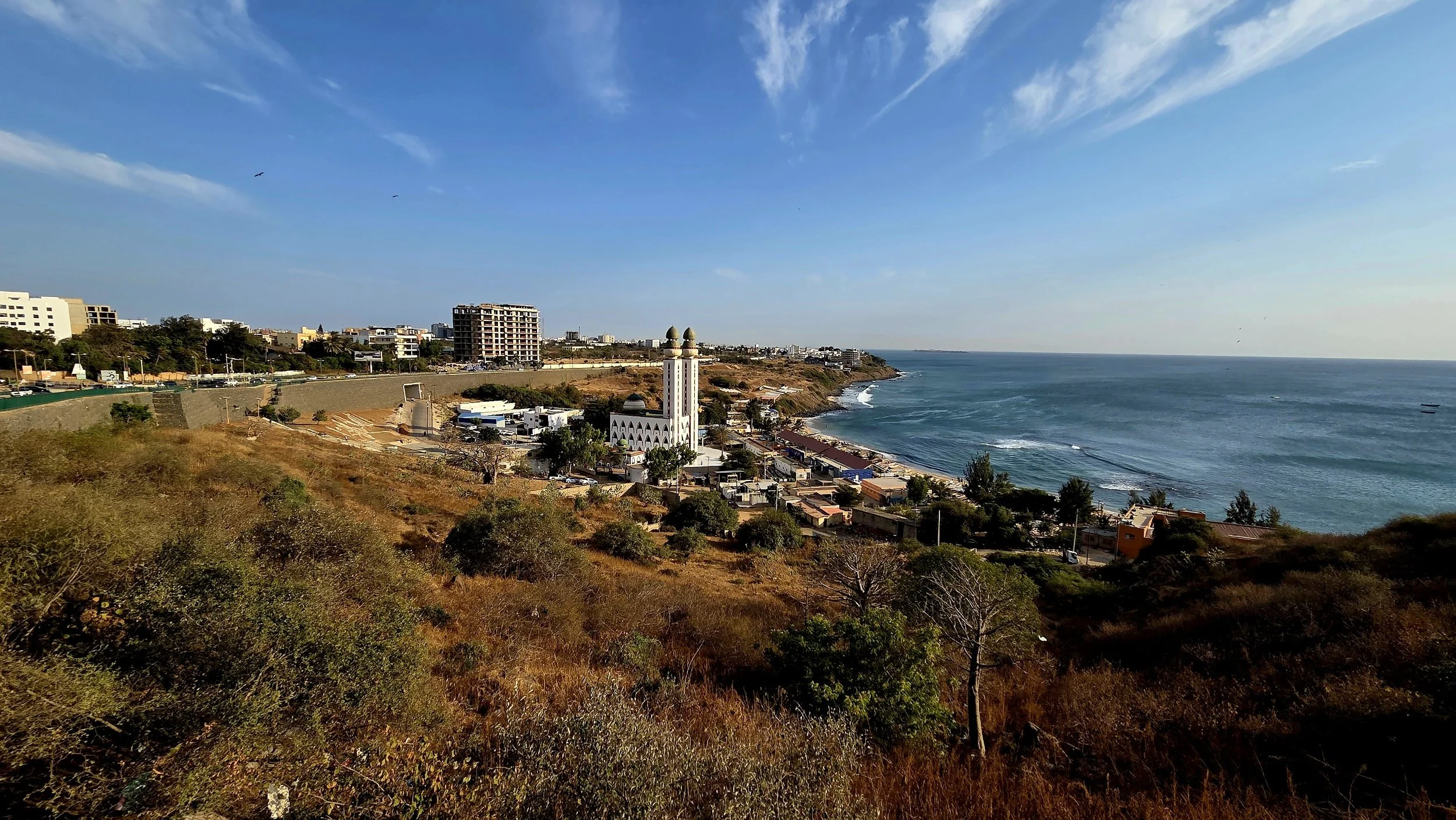
Mosque of the Divinity: Bird’s-eye view of the mosque and surrounding city and coast.
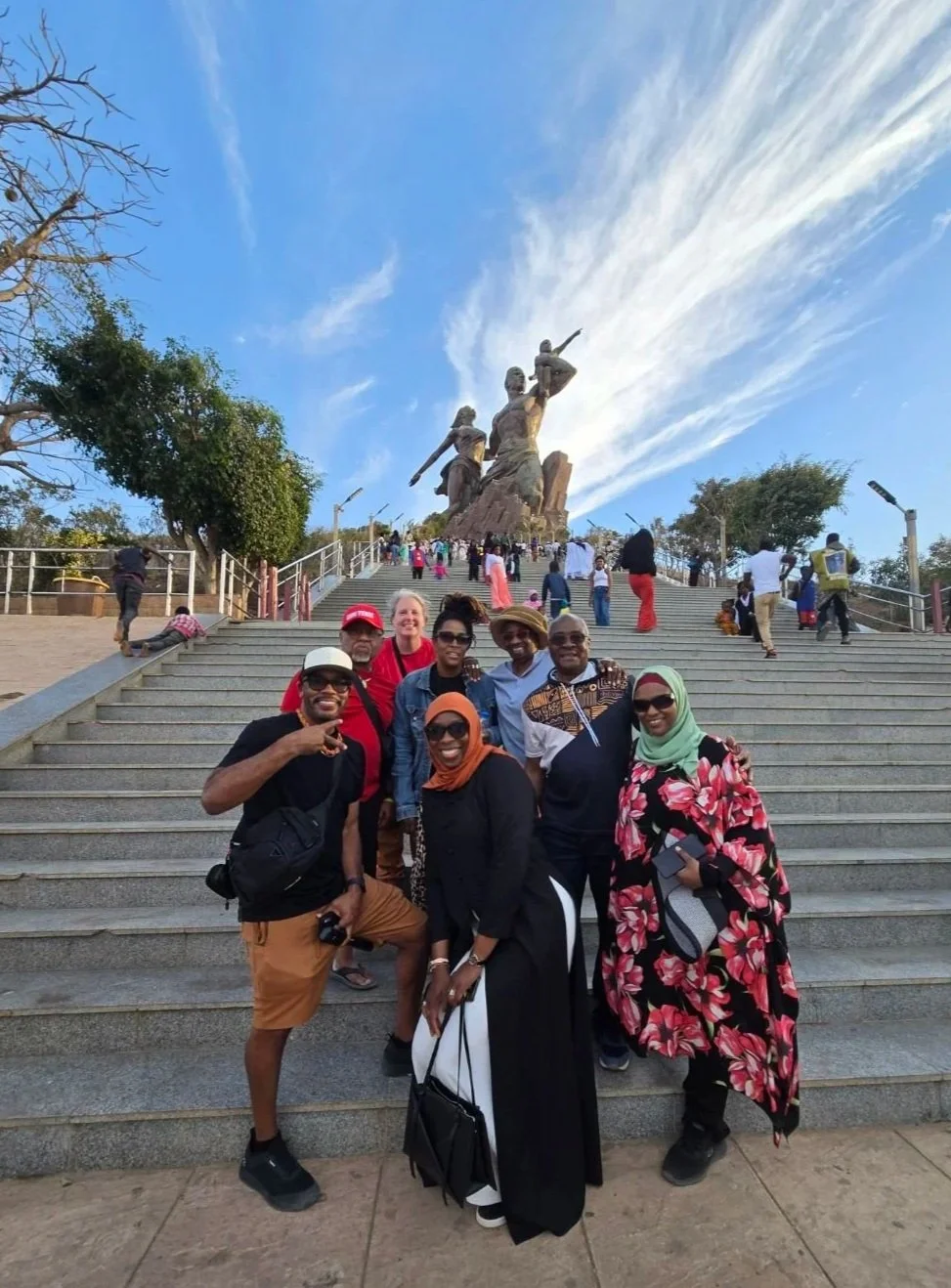
African Renaissance Monument: What a lovely bunch! This monument was meant to represent Africa’s emergence from the dark (mother’s hand pointing towards Goree Island) and a call to the diaspora (child’s hand pointing to the Atlantic Ocean/America). While the monument is open to all kinds of interpretation, it is actually quite controversial in Senegal not just for its design, but also for its extravagant price tag - especially as so many in Senegal live in poverty.
While the first few days of this trip grounded me, I feel like I soared in the remaining days!
But I’ll have to write about that in Part 2, inshaAllah.
